
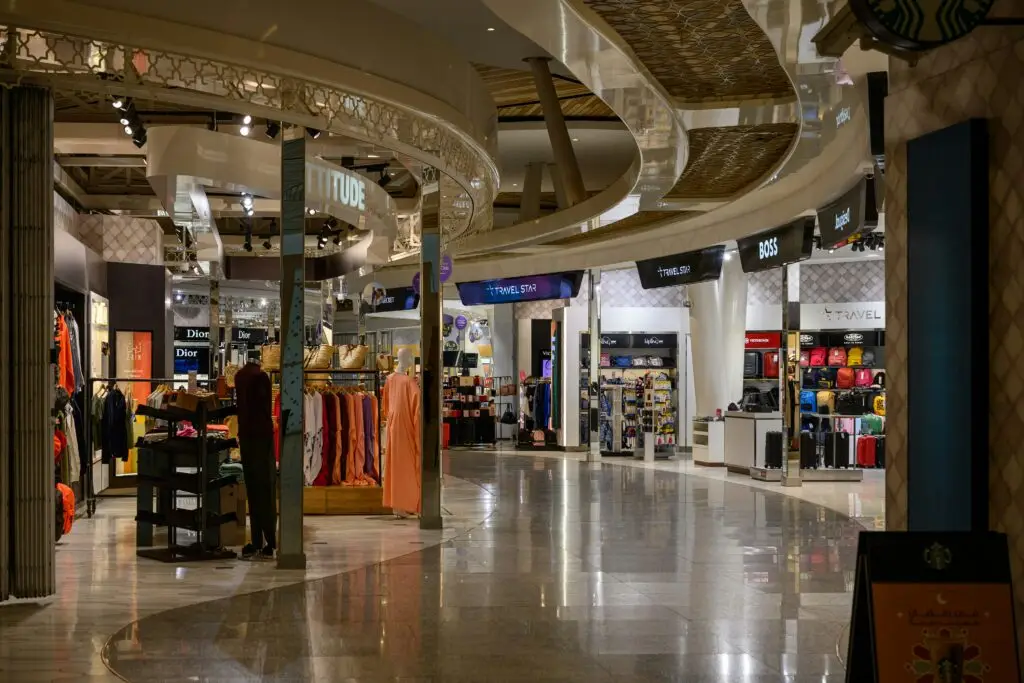
Physical retail is under constant pressure to justify the trip. Customers have unlimited options online — so the stores that win are the ones that give shoppers a reason to show up.
One of the most effective tools available to host retailers is the store-within-a-store (SWAS) strategy: inviting a specialty retailer to set up a shop-in-shop inside your location in exchange for a revenue share. Done right, it’s a genuine win-win — the host monetizes underutilized floor space and reduces payroll, while the specialty retailer gains immediate access to an established customer base. The right partner starts with strategy — but it ends with a lease structure that protects both sides.
But not every partnership works. Choosing the wrong tenant can dilute your brand, confuse your customers, and create more problems than it solves. So how do you identify the right fit?
The SUCCEED Framework
The following seven criteria — forming the acronym SUCCEED — provide a practical framework for host retailers evaluating store-within-a-store leasing opportunities.
Specialized
Many specialty retail operations require expertise or licensing that falls outside the host’s core competency. Grocery stores, for example, are deepening their focus on health and wellness — which creates a natural opening for prescription eyewear providers, walk-in medical clinics, or hearing care specialists. These tenants serve the same customer, enhance the host’s offering, and operate with minimal overlap.
Unanticipated
The best partnerships surprise customers in a positive way. A luxury travel boutique inside a high-end department store creates a moment of discovery — two brands with a meaningful overlap in customer behavior and spending habits. Unanticipated placements generate word-of-mouth, social sharing, and repeat visits from customers who want to see what’s new.
Convenience
High-frequency retailers — grocery, drug, discount — have built their brands around reducing friction. Hosting a pack-and-ship counter, dry cleaner, coffee shop, wireless provider, or salon doubles down on that promise. Every additional errand a customer can complete in a single stop increases dwell time, loyalty, and the perceived value of the store.
Category
Department stores have ceded ground to category specialists in everything from electronics to sporting goods. Rather than fighting that trend, a smart host retailer can partner with the category leader — letting them operate a shop-in-shop that fills a gap the host can no longer serve profitably on its own. If you can’t beat them, bring them in.
Experience
Physical retail has one irreplaceable advantage over e-commerce: the sensory experience. Cosmetic and beauty retailers can host in-store treatment stations that demonstrate product effectiveness through direct, personal interaction. The result is higher conversion rates and customer relationships that no website can replicate.
Expected
Some partnerships just make intuitive sense — and that’s exactly what makes them work. A home improvement store hosting a work apparel and boot retailer, or an art supply store partnering with a custom framing shop, delivers on what the customer already expects to find. Expected tenants reinforce the host’s brand identity rather than diluting it.
Discovery
A rotating “discovery zone” — refreshed every 90 days with a new pop-up vendor — creates a reason for repeat visits beyond the regular shopping run. Customers who know the store always has something new are more likely to come back more often. This model also gives emerging specialty brands a low-risk way to test a physical retail presence.
Putting It Into Practice
Retailers can no longer grow by doing things the old way. The store-within-a-store leasing strategy is one of the most efficient, measurable, and exciting ways to increase engagement, generate incremental revenue, and future-proof a physical location.
Evaluating potential partners against the SUCCEED framework is a starting point — but execution matters just as much as selection. Lease structure, space planning, brand alignment, and operational coordination all play a role in whether a shop-in-shop partnership delivers.
If you’re a host retailer exploring store-within-a-store leasing opportunities — or a specialty brand looking to place your concept inside an established retailer — InStore CRE manages store-within-a-store leasing for host retailers and specialty brands nationwide. Let’s talk.
— Kevin Marschall, Senior Managing Director, InStore Commercial Real Estate — the nation’s leading store-within-a-store leasing brokerage firm.
Related Articles
- The Cost Advantage of Store-Within-a-Store vs. Inline Retail
- Revenue Share vs. Fixed Rent: Which Is Better for SWAS Leasing?
- Store Within a Store Advantages and Disadvantages: What Brands Need to Know
Ready to Explore Store-Within-a-Store Leasing?
InStore CRE specializes in connecting specialty brands with high-traffic host retailers nationwide. Whether you’re a retailer looking to monetize underutilized space or a brand seeking a cost-effective expansion path, we can help.